

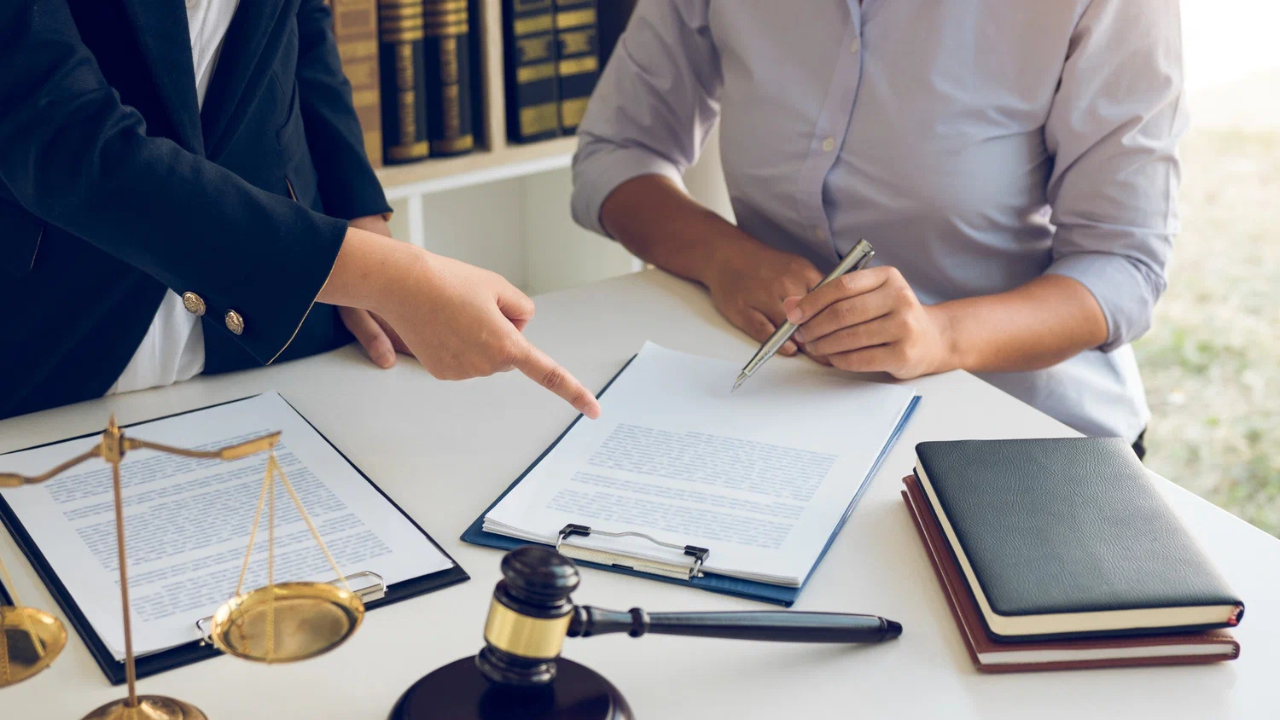
A clear paper trail can protect you. It can also save you money. Weak records can do the opposite. They can slow your case. They can also weaken your position.

Strong Documentation Enhances Legal Outcomes
Good documentation does not just “help.” It can shape the final result. It gives your lawyer leverage. It also gives a judge or mediator something solid to rely on.
It proves your case
Documents show what happened. They also show what was agreed. This matters in contracts, employment disputes, landlord-tenant issues, and family matters.
It supports your timeline
A timeline is stronger when it matches records. Emails, receipts, notices, and messages anchor events to real dates.
It demonstrates credibility
Clear records make you look prepared and consistent. That can influence negotiations. It can also influence settlement offers.
It makes an attorney’s job easier and cheaper
Lawyers spend time finding facts. If you bring clean records, they spend less time digging. That can reduce billable hours.
It often determines who wins
In many cases, the stronger proof wins. A clear document can beat a vague memory.
Essential Components of Good Legal Documents
Good legal documents share a few common traits. You can use these points as a quick quality check.
Clear, specific language
Avoid vague phrases. State the exact terms. Write what each person must do. Write when they must do it.
All parties identified
Include full legal names. Add addresses or business details when possible. For companies, use the correct entity name.
Dates and deadlines
Dates prevent confusion. They also help enforce deadlines. Include:
- Start date
- Due dates
- Notice periods
- End date (if relevant)
Signatures and witnesses
Many documents require signatures. Some also require witnesses or notarization. A missing signature can make a document useless.
Terms and conditions spelled out
State payment terms, services, scope, responsibilities, and limits. Do not assume people “understand” the basics.
What happens if breached
Include what occurs if someone fails to perform. Examples:
- Late fees
- Refund rules
- Cancellation terms
- Dispute resolution steps
- Where disputes must be handled (court, arbitration)
Read Also: Legal Advice Basics
Risks of Poor Documentation
Bad documentation creates uncertainty. Uncertainty creates disputes. It also creates cost.
Unenforceable agreements
If the document lacks key elements, a court may not enforce it. Even small gaps can cause major problems.
“He said, she said” disputes
When there is no paper trail, the case becomes about memory and credibility. That is a weak place to be.
Lost evidence
People delete messages. Phones break. Emails get lost. Without backups, strong proof can disappear.
Weakened legal position
Weak records reduce leverage. That can lead to worse settlement terms. It can also lead to losing in court.
Higher attorney costs to reconstruct
If your lawyer must rebuild the facts, costs rise. They may need extra discovery, subpoenas, and time.
Best Practices for Maintaining Legal Records
You do not need a complicated system. You need a consistent one. Use a simple method you can follow every time.
Keep everything organized by case or matter
Create a folder per issue. Name it clearly, like:
- “Landlord Dispute – 2026”
- “Car Accident – March 2026”
- “Employment Issue – Company Name”
Store documents securely (physical and digital)
Use a safe location for paper. Use password protection for digital files. Avoid public computers.
Back up digital files
Use at least two backups:
- One cloud backup
- One external drive backup
This protects you if a device fails.
Don’t destroy anything during an active case
Do not delete texts, emails, or documents once a dispute starts. Destruction can harm your credibility. It can also create legal trouble in some situations.
Create a timeline of events with supporting documents
Write the timeline in order. Link each event to proof. Example:
- “Feb 10: Sent complaint email (Email_02-10.pdf)”
- “Feb 15: Received notice (Notice_02-15.jpg)”
Note communications (date, time, what was said)
Keep a simple call log. Include:
- Date and time
- Who you spoke with
- Key points discussed
- Any promises made
This is helpful when calls are not recorded.
Quick Table: What to Save and Why
| Record Type | Examples | Why It Matters |
| Agreements | Contracts, leases, invoices | Proves terms and duties |
| Messages | Emails, texts, WhatsApp | Shows intent, notice, promises |
| Official Notices | Court papers, demand letters | Tracks deadlines and legal steps |
| Payments | Receipts, bank records | Proves money paid or owed |
| Photos / Video | Damage, condition, screenshots | Captures evidence that changes over time |
| Call Notes | Date/time/summary | Supports your version of events. |